Samsung Biologics vs WuXi Biologics: The Global CDMO Hegemony War

Samsung Biologics vs WuXi Biologics global CDMO infrastructure face-off in 2026

The Great Shift in Global Bio Hegemony:Samsung Biologics vs WuXi Biologics, The CDMO Infrastructure Face-Off In 2026, global pharmaceutical executives are watching one rivalry closely: Samsung Biologics vs WuXi Biologics. The question behind it is simple — what does a CDMO actually offer beyond lower manufacturing cost? For years, the CDMO model was treated mainly … Read more
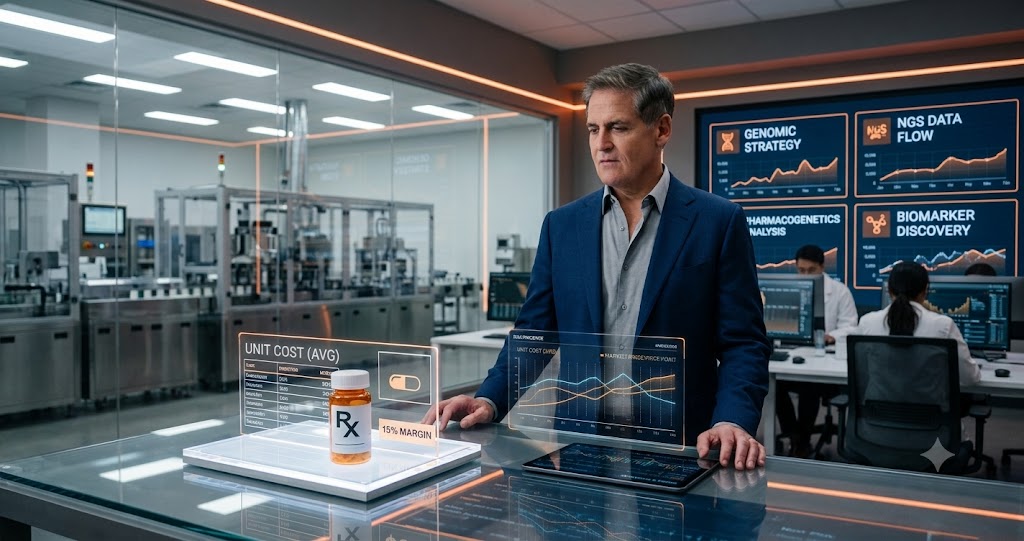
How Mark Cuban Pharma Disrupts $9.6K Pricing as FDA Tightens Rules

Mark Cuban standing in a cutting-edge pharmaceutical manufacturing laboratory with digital screens showing bioinformatics data and a Cost Plus Drugs prescription bottle priced at 34 dollars.

For decades, the greatest contradiction dominating the global pharmaceutical and healthcare market has been the critical question: “Why do drug prices continuously skyrocket for patients when drug manufacturing technology is advancing so brilliantly day by day?” To address this issue, this analysis explores the multi-layered inefficiencies of the distribution supply chain. Furthermore, we examine how … Read more

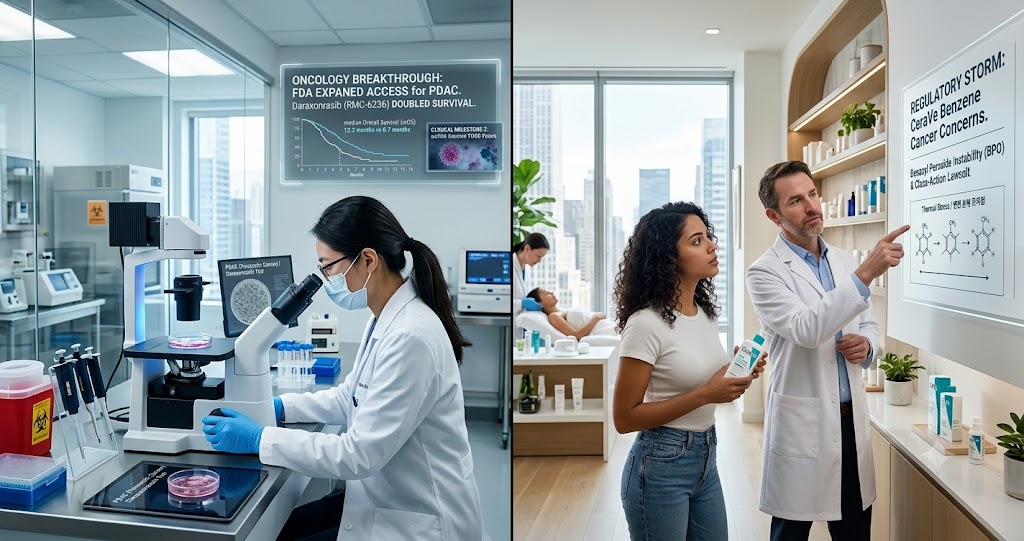
Is Your Acne Cream Safe? CeraVe Benzene Lawsuit & 2026 FDA Cancer Updates

Dermatologist explaining CeraVe benzene acne cream lawsuit risks alongside a laboratory researcher analyzing FDA pancreatic cancer drug updates.

A wave of 2026 headlines has put one question in the spotlight: could an everyday acne cream be quietly degrading into a carcinogen? The CeraVe benzene cancer lawsuit driving that concern is only part of a broader story in global healthcare and consumer safety this year — alongside genuine clinical milestones in treating historically “undruggable” … Read more

Monotherapy Is Dead: Why ADCs and PD-1 Checkpoint Inhibitors Are the New Standard for SCLC and NSCLC

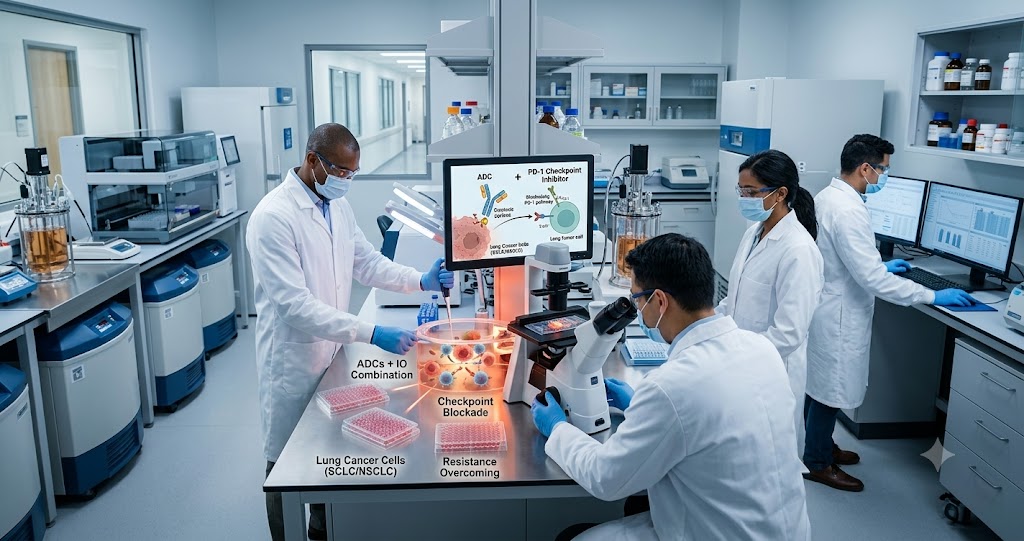
Research scientists analyzing advanced lung cancer immunotherapy combinations marrying ADCs and PD-1 checkpoint inhibitors to overcome resistance in SCLC and NSCLC tumors.

The global oncology landscape is undergoing a seismic shift. For the past decade, immune checkpoint inhibitors targeting the PD-1 and PD-L1 pathways have been the undisputed titans of cancer care. Heavyweights like Merck’s Keytruda have rewritten the survival curves for millions. However, as monotherapy reaches its therapeutic ceiling—particularly in aggressive, “cold” microenvironments—the biopharma industry is … Read more

The Death of ‘Undruggable’: How Tri-Complex Inhibitors and IL-23 Blockade Are Rewriting Bioprocessing Standards

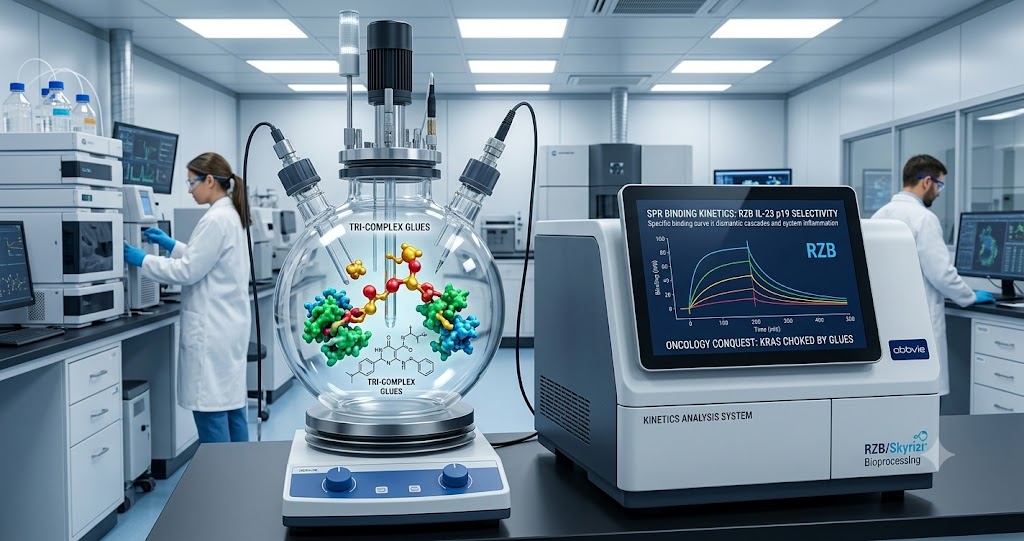
Tri-Complex Glues reaction vessel and RZB kinetics analytical instrument workflow in a bioprocessing laboratory.

Executive Summary: This review examines two of 2026’s most consequential biopharma breakthroughs — tri-complex RAS inhibitors in oncology and IL-23 blockade in immunology — and the analytical instrumentation reshaping how both are characterized and manufactured. CLINICAL BREAKTHROUGH 1 — ONCOLOGY ENGINEERING 1. Tri-Complex Inhibitors: Breaking the ‘Undruggable’ Barrier in Pancreatic Oncology For decades, the standard … Read more

Why 80% of Clinical Trials Fail at Patient Enrollment—And How Medidata eCOA and Dot AI are Revolutionizing the $100B Market

Medidata eCOA Clinical Trials with patient using eDiary tablet

For biopharma sponsors and Clinical Research Organizations (CROs) globally, the path from protocol design to First Patient In (FPI) has always been a treacherous bottleneck. Recent industry data reveals a staggering reality: 80% of all clinical trials face significant delays or mid-study halts due to patient recruitment and compliance issues. To solve these systemic bottlenecks, … Read more

The New Titans Shaping the Future of Medicine: Eli Lilly, Mark Cuban, and the Global Biotech Revolution

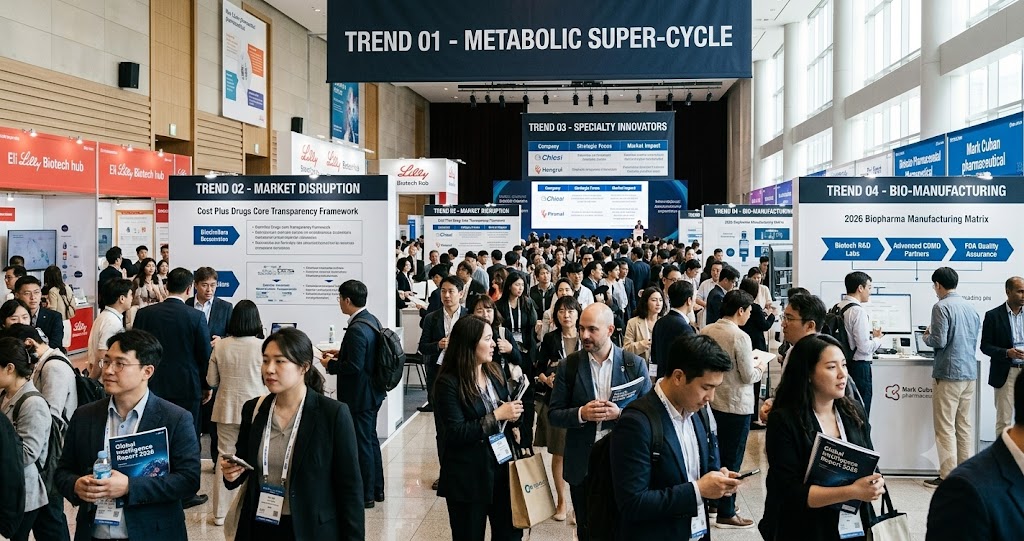
Eli Lilly biotech conference exhibition hall showing pharmaceutical industry trends and global networking

Global Intelligence Report 2026 The 2026 outlook for Eli Lilly Biotech networks highlights a major tectonic shift in the global pharmaceutical landscape. Driven by aggressive regulatory updates from the FDA, unprecedented patent cliffs, and a complete rewiring of the drug distribution framework, tracking these rapid transformations is essential for identifying the next multi-billion-dollar breakthroughs. TREND … Read more

The $1 Trillion Biotech Cheat Code: How ADCs, Talquetamab, and AI Drug Discovery Are Fueling Big Pharma’s Next Supercycle

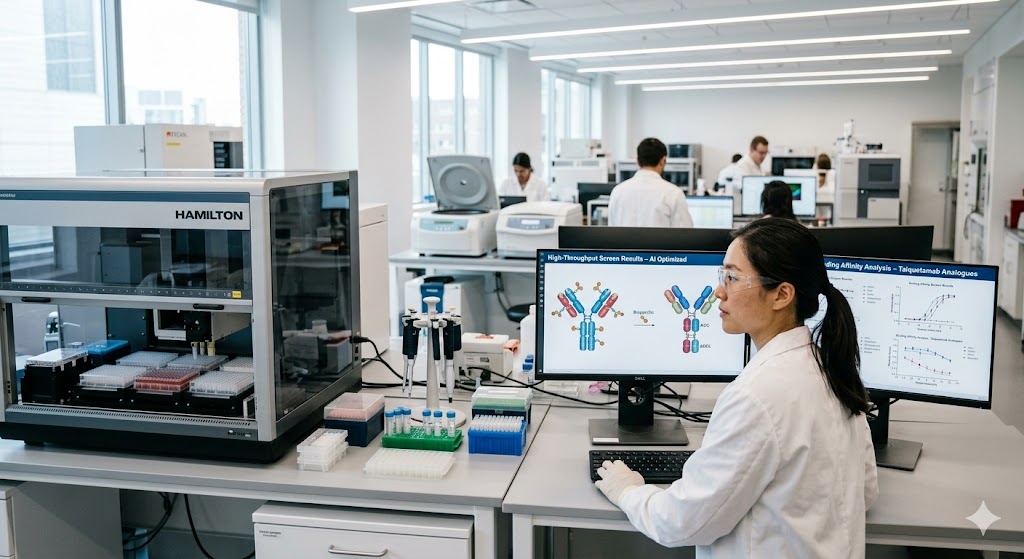
Scientist utilizing an AI drug discovery platform for ADC and bispecific antibody research in a modern biotech laboratory.

If you are tracking where the smart money in healthcare is going, forget everything you thought you knew about traditional pharmaceuticals. First and foremost, we are entering a hyper-accelerated era of biotech wealth creation. Big Pharma isn’t just discovering drugs anymore; instead, they are engineering microscopic smart bombs. Consequently, based on the latest clinical data … Read more

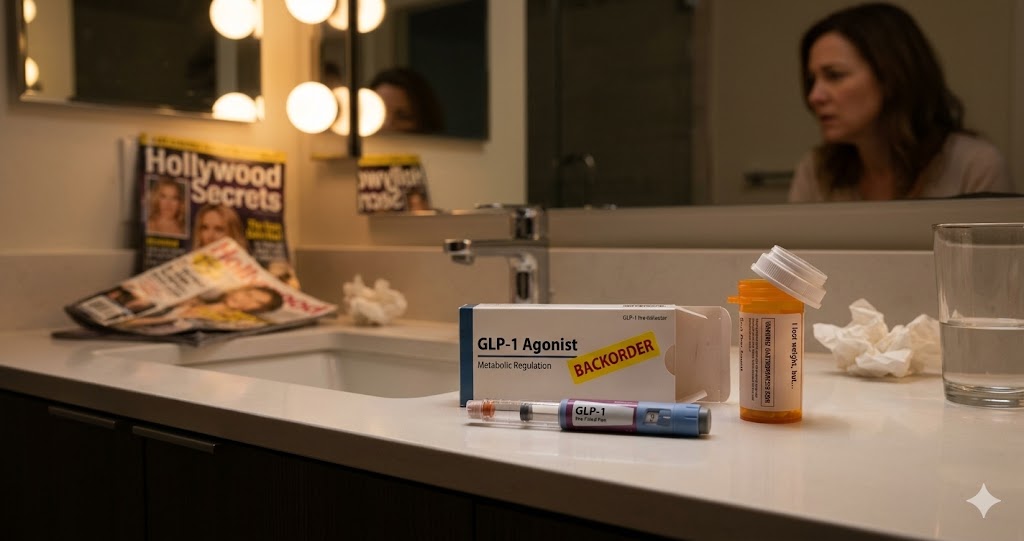
“I lost weight, but my stomach stopped working”: The horrific side effects of GLP-1 hidden by Hollywood and the global drug crisis of 2026

A woman experiencing severe glp 1 side effects looking in a bathroom mirror next to a GLP-1 pen.

Just a few years ago, GLP-1 receptor agonists were quietly positioned as innovative treatments for precise glucose management in patients with type 1 diabetes and type 2 diabetes. However, today, this medication has become Hollywood’s best-kept secret and stands at the center of a global medical frenzy. But there is a massive twist that many … Read more

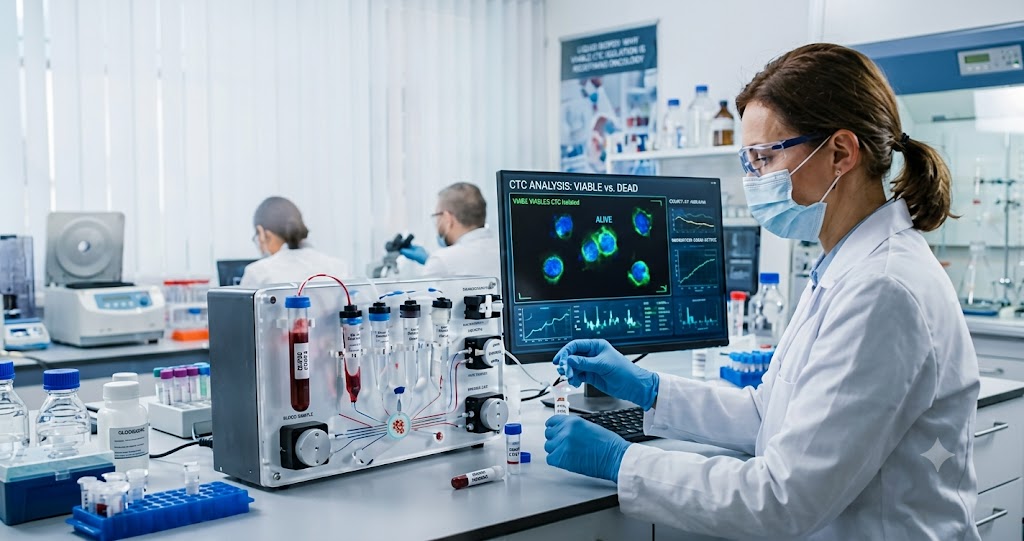
The Billion-Dollar Pivot: Why Big Pharma is Abandoning ctDNA for Viable CTC Isolation

Viable CTC isolation process using automated label-free microfluidic filtration systems for next-generation liquid biopsy in 2026.

The global oncology market is facing an aggressive reallocation of capital. For nearly a decade, liquid biopsy investments heavily favored standard circulating tumor DNA (ctDNA test) infrastructures. However, as next-generation targeted modalities like ADCs and PROTACs dominate pipelines in 2026, the structural limits of sequencing fragmented, dead genetic materials have exposed severe clinical gaps. Leading … Read more